Category: Culture, Compliance and Risk
-

Making Code of Conduct Measurable: How Key Performance Indicators Really Make Lived Corporate Culture Visible
A code of conduct changes nothing if it's simply stored on the intranet and only needs to be confirmed once a year with a mouse click. It only becomes effective when it plays a role in everyday practice: in decisions, in processes, in interactions with one another, and through clear monitoring of whether the agreed-upon rules are actually being followed.
-

7 warning signs of a weak compliance culture and how to counteract them effectively.
Recognize the warning signs of a weak compliance culture early on and learn which measures you can take to sustainably reduce risks.
-
Leadership development: Successful leadership is no accident.
Leadership development is the key to successful leadership. Learn how targeted training, coaching, and practical programs sustainably strengthen employee retention, productivity, and company culture.
-

Why companies often only act when it is almost too late – The psychology of reactive management
Warning signs are usually visible for some time, but action is only taken when the problem can no longer be ignored. This reactive approach not only costs money, but also erodes the trust of employees and customers, as well as hinders innovation.
-

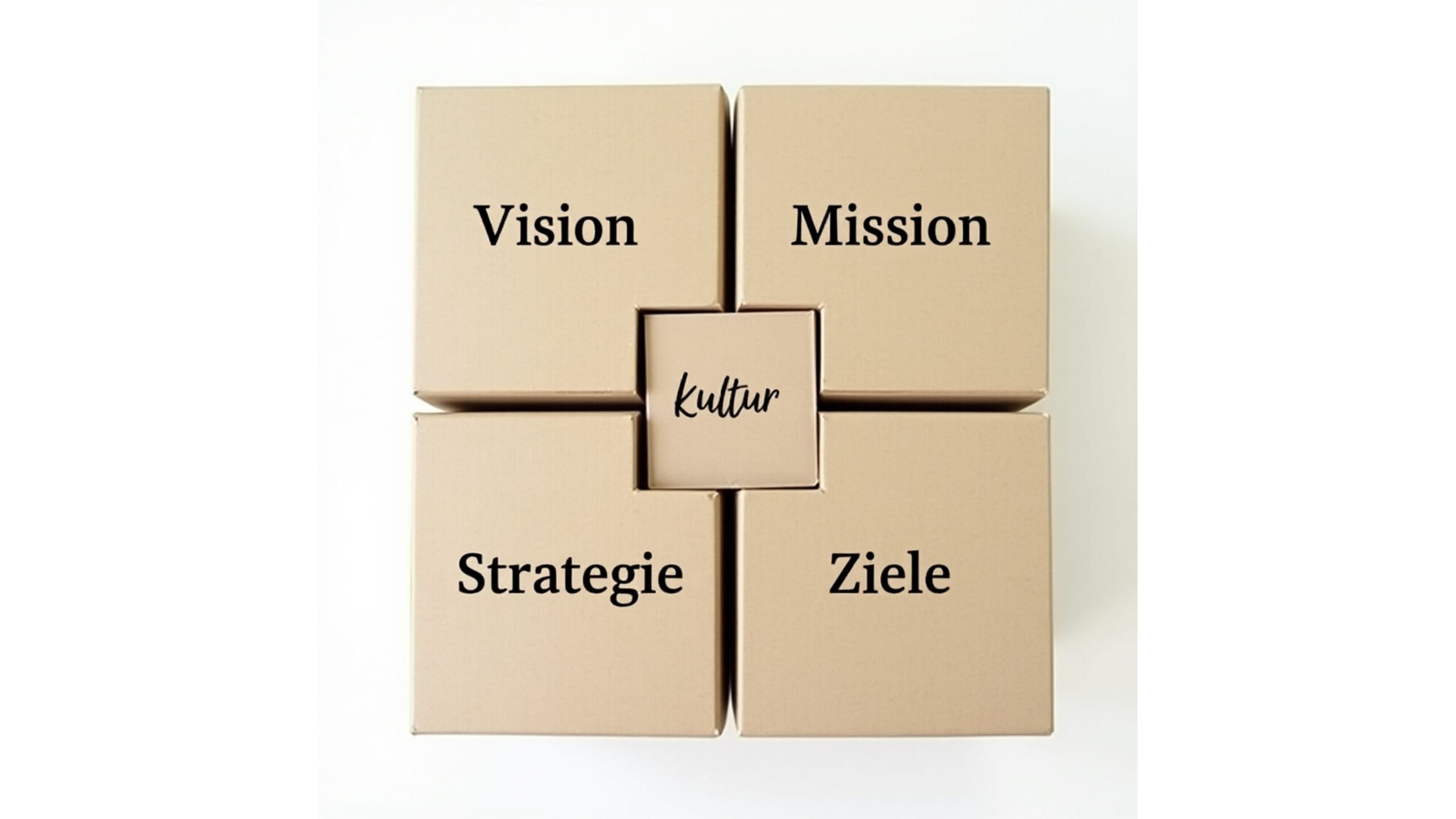
Vision and Mission: The foundation for leadership, risk and compliance
A code of conduct is intended to establish clear rules and guidelines for employee behavior within a company. It focuses on legal requirements, ethical standards, and company-specific values. However, it only becomes truly lived practice with a corresponding corporate culture.
-

Code of Conduct for Companies: When a Code of Conduct Really Makes Sense
A code of conduct is intended to establish clear rules and guidelines for employee behavior within a company. It focuses on legal requirements, ethical standards, and company-specific values. However, it only becomes truly lived practice with a corresponding corporate culture.
-

Compliance risks in stressful situations: Why pressure influences compliance behavior
Stress influences our behavior – this applies not only to everyday life but also to the workplace. Especially in stressful situations, even experienced and reliable employees can suddenly deviate from their usual behavior patterns. This often has a direct impact on compliance with regulations.
-

Psychological safety: A building block of the foundation for effective teams and lived compliance in companies
In a time of increasing complexity and dynamism, the concept of psychological safety is gaining in importance for high-performing teams and a lived risk and compliance culture.
-

Compliance | Give and Take: How the psychological principle of reciprocity influences business relationships
In the series "Suits," Mike faces the exposure of his illegal activities as a lawyer without legal training. He must decide whether to accept the consequences of his actions or make a deal in which he reveals that his mentor Harvey knew about the illegal activities in order to exonerate himself.
-

Leadership guidelines as the basis for a future-proof corporate culture
A strong and positive corporate culture is more important than ever in today's working world. But one thing is certain: without a healthy leadership culture, a sustainably successful corporate culture cannot emerge. The close interrelationship between these two aspects makes managers key figures in shaping a successful company.